Discovering the Metamorfosa Reef in Bali
Abundance Beneath the Surface
Sumberkima Bay, Bali – Metamorfosa Underwater Art Gallery
The other week I went with a guide named Kadek from Metamorfosa to visit the underwater art gallery in Sumberkima Bay, a living reef restoration project that blends sculpture, science, and story. I booked the experience through Sumberkima Hills, who partner closely with Metamorfosa to regenerate the coral ecosystems once devastated by blast fishing.
The work they are doing is both artistic and ecological. Years ago, fishing bombs were used across this coastline to catch large quantities of fish quickly. The explosions released an excess of potassium, poisoning coral polyps and leaving the sea floor barren. What was once a vibrant ecosystem fell silent. But today, life is returning, slowly and steadily, through the patient work of those who tend the sea.
Kadek was incredible: calm, intuitive, and so at ease underwater that free diving seemed effortless for him. While most of us adjusted our masks and flippers, he dove again and again with nothing but a single breath, checking coral growth and clearing debris from the art frames. My favorite piece was the underwater dragon, its coral-encrusted spine winding through the blue like a myth reborn, guarding the fragile beginnings of a new reef.
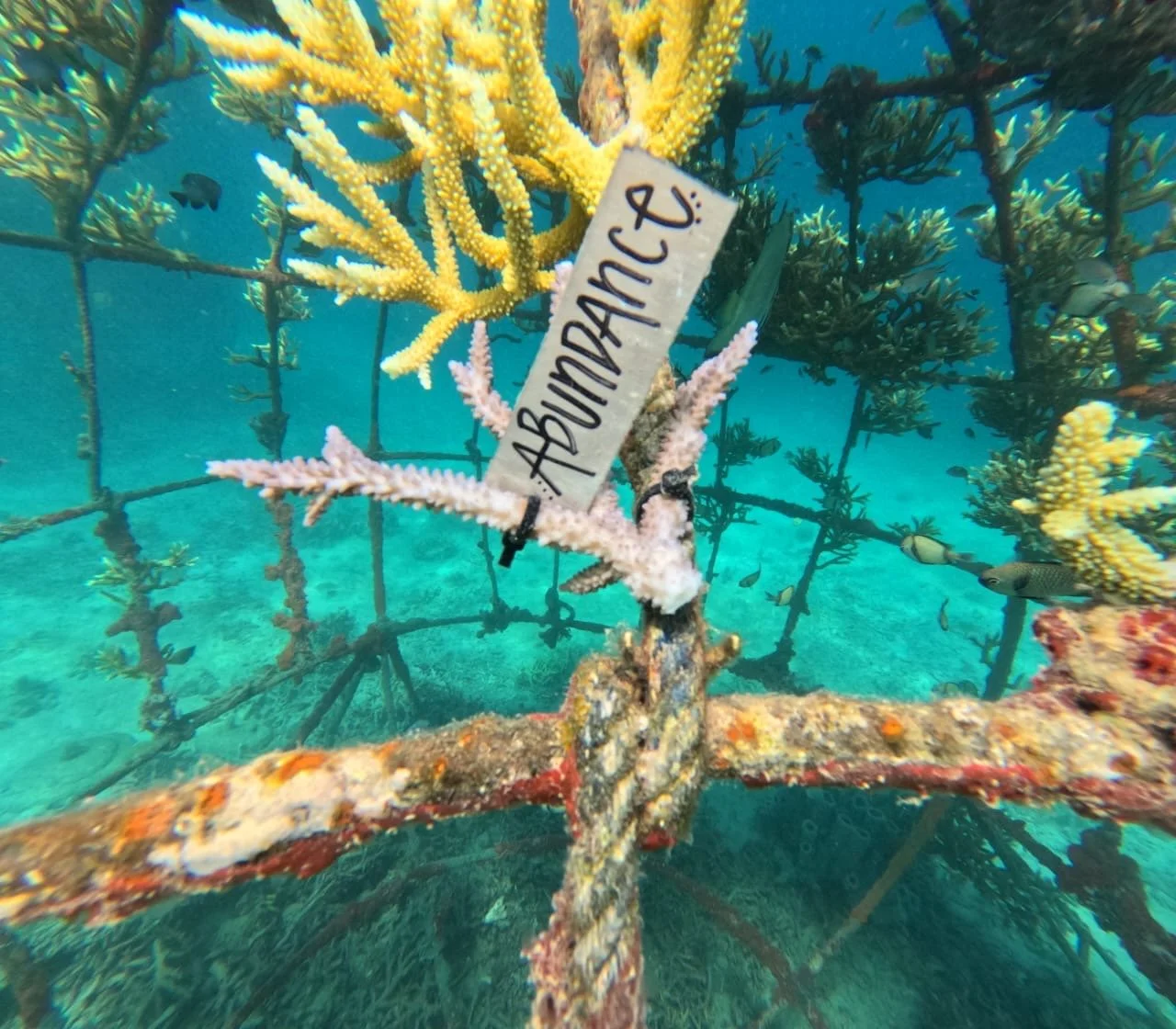
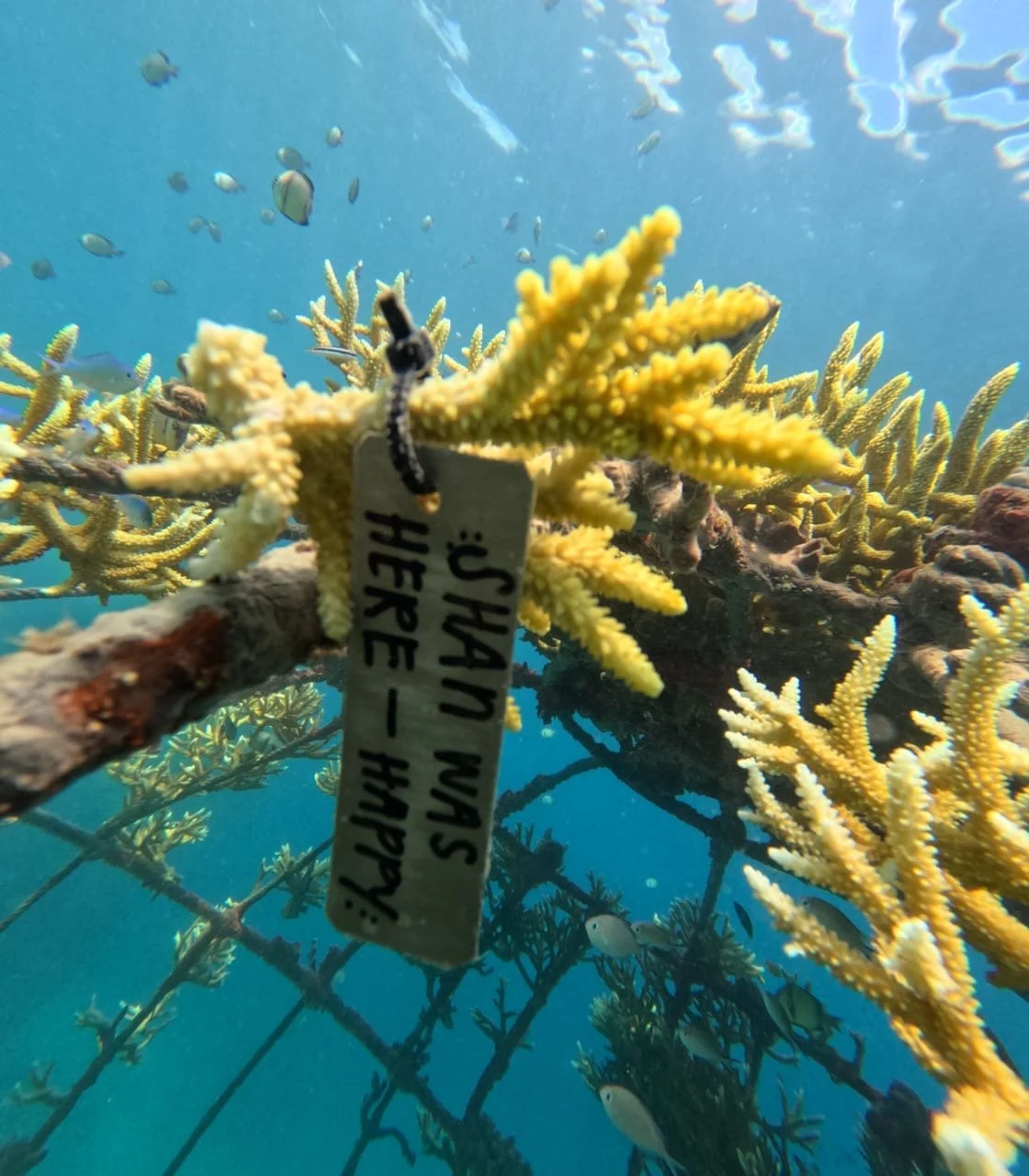
I was not asked to plant coral, but I wanted to. Each fragment costs 150,000 rupiah, a small but tangible way to contribute. I chose to plant two: one tagged “Abundance,” a wish for coral and fish to thrive together, and another marked “Shan Was Here, Happy.” As I was fitting my phone into its underwater housing, the gear broke and the Bluetooth refused to connect, leaving me without any images. Later, Kadek returned to the site and sent me photos of the two corals I had planted, small and defiant, glowing softly beneath the current.
A few days later I saw Kadek again by chance outside a restaurant connected to the Metamorfosa office. I was on Gili Putu, a small island across the bay, having dinner with friends when I had an unexpected allergic reaction. My chest tightened, my skin flushed, and I felt the creeping panic that comes from being far from help. When I reached the dock, Kadek called the shuttle that had originally taken me from Sumberkima and asked them to pick me up directly from the clinic. He stayed with me the entire time, holding space for my panic with quiet reassurance until the shuttle arrived.
In anthropology, reciprocity has long been seen as the foundation of human connection. Marcel Mauss, in The Gift(1925), described giving as an act bound by invisible obligations to give, to receive, and to return, not as a debt but as a form of care. Later anthropologists such as Marshall Sahlins and David Graeber extended this idea beyond human exchange, suggesting that reciprocity is a rhythm that flows between people, the natural world, and the unseen relationships that sustain both.
That day, I offered a small act to the ocean, a coral fragment and a wish for abundance. In return, I received something greater: a quiet moment of humanity that reminded me how deeply connected we all are, even in moments of fear or fragility.
Perhaps that is what true reciprocity feels like. You give something to the world, and when you least expect it, the world remembers to give back.
Further Reading:
Metamorfosa Bali: metamorfosa.org
Coral Guardian – Indonesia Restoration Projects: coralguardian.org
Mongabay (2022): For More Fish and Healthier Coral in Bali, Focus on Communities and Connectivity
Bioflux Study (2020): Succession of Reef Fish Community at a Coral Area Rehabilitated with Coral Transplantation and Artificial Reef in West Sumatra, Indonesia
Funny Videos & local commentary:
Until next time, may abundance find you too.
Shan
